Cardiovascular disease is the #1 killer in the US. Here's what decades of evidence say about how movement — not medication — can meaningfully reduce your risk.
Evidence-Based Reading
Articles grounded in peer-reviewed research. No medications, no supplements, no complex regimens. Just real strategies that work.

Cardiovascular disease is the #1 killer in the US. Here's what decades of evidence say about how movement — not medication — can meaningfully reduce your risk.

GLP-1 and GIP receptor agonists are effective appetite suppressants. But they don't teach you how to eat — and that's where most patients run into trouble.

Osteoporosis affects 10 million Americans and causes 1.5 million fractures per year. Diet and resistance exercise are your best prevention tools — at any age.

Decades of studies confirm: cutting calories without changing food quality leads to muscle loss, metabolic adaptation, and rebound weight gain. Here's what actually works.

The data is clear: you can't outrun a bad diet. But running does something diet alone can't — and that's worth understanding.

Most Americans eat far less protein than they need. Correcting this one mistake can reduce hunger, preserve muscle, and accelerate fat loss.

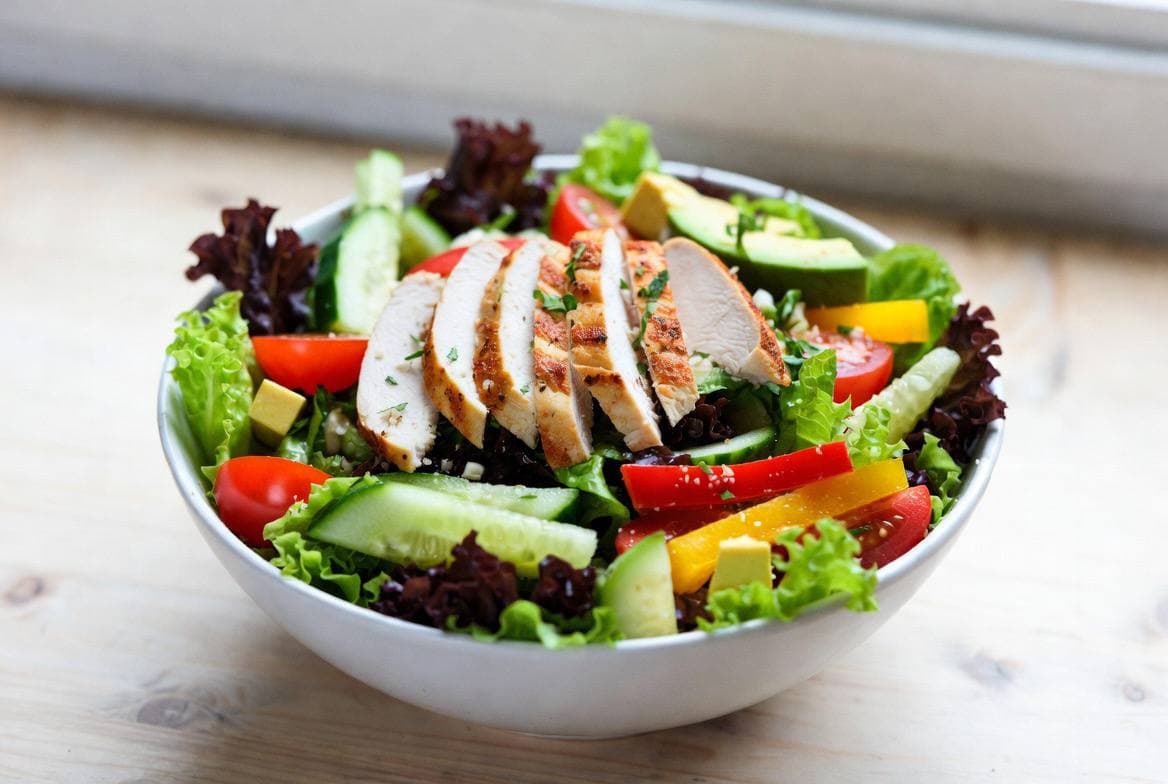
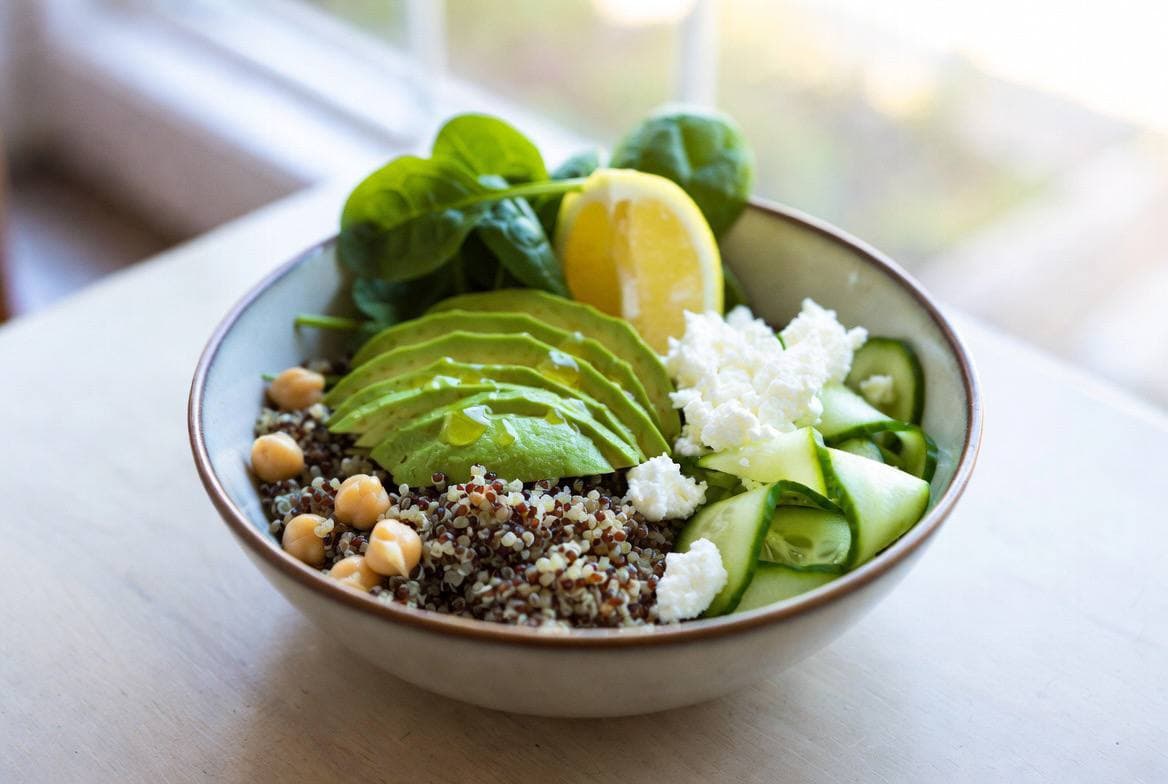
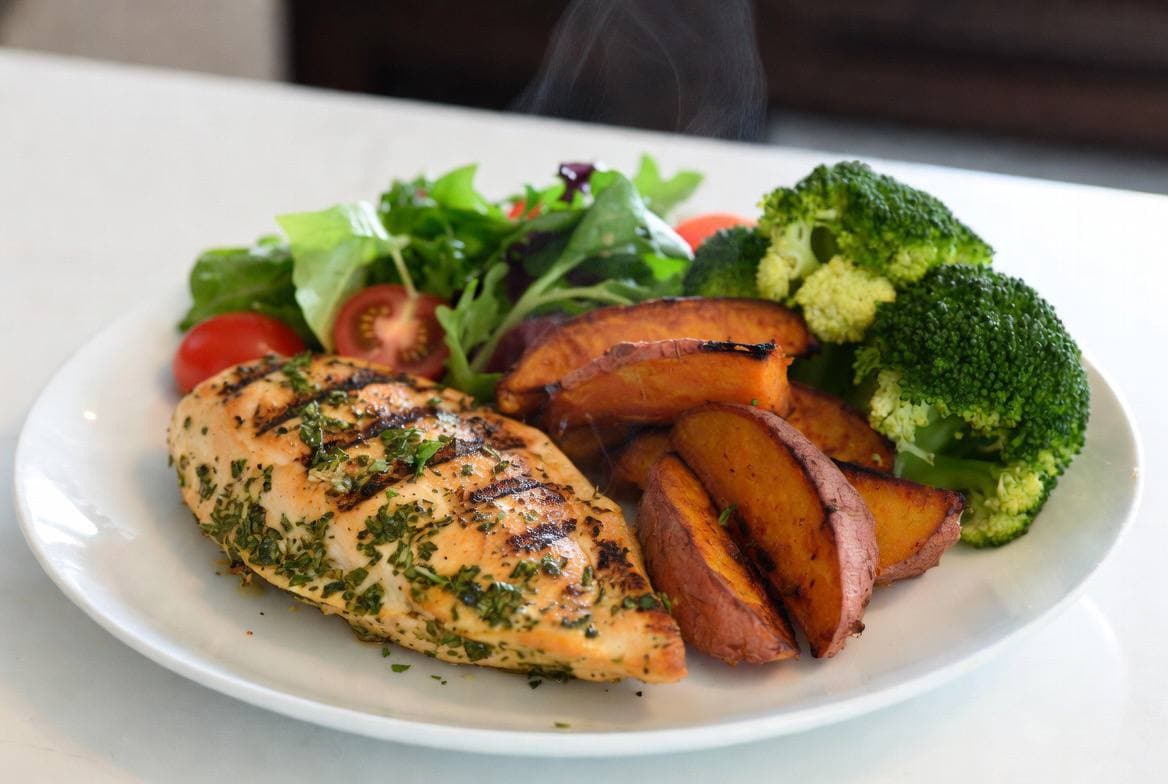
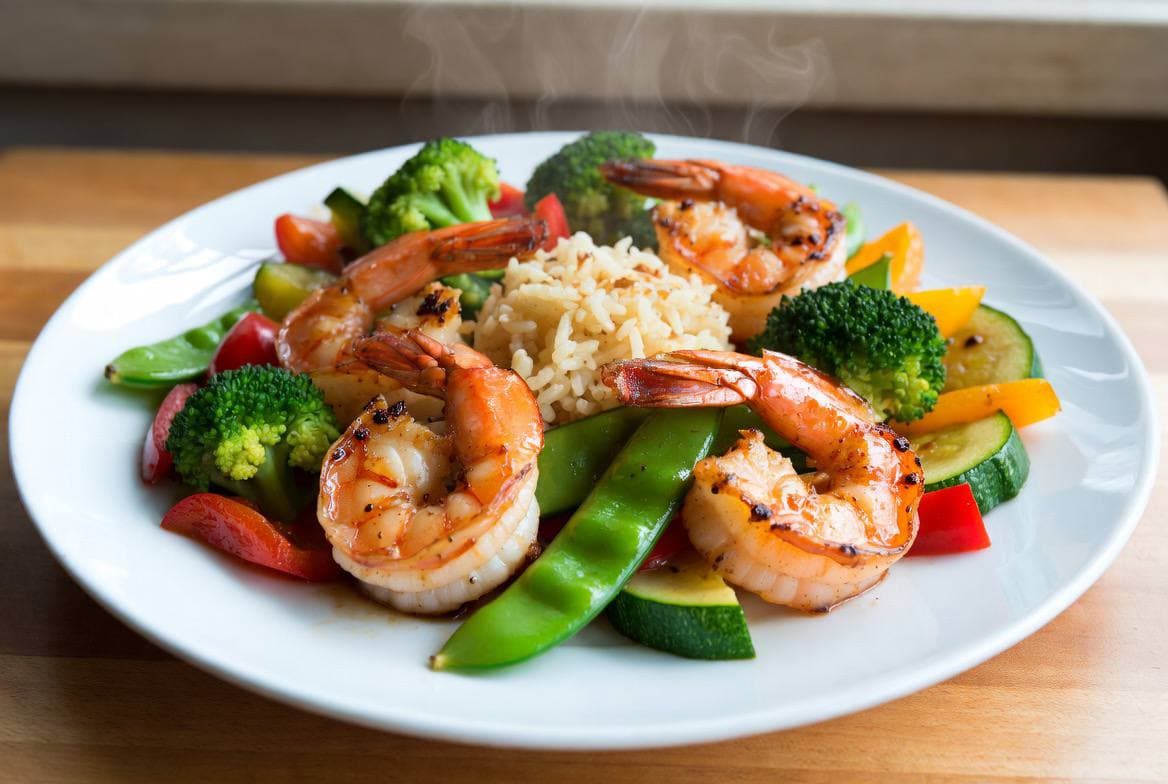
No gourmet cooking required. These meals take 15-20 minutes, use affordable ingredients, and don't require you to enjoy cooking.

ADA guidelines have evolved significantly. Here's what the current evidence actually says about carbohydrates, blood sugar, and sustainable dietary changes for Type 2 Diabetes.

Chronic low-grade inflammation underlies heart disease, stroke, Type 2 diabetes, peripheral artery disease, and most chronic disease. Diet is the most powerful lever you have to control it.

The USPSTF recommends specific screenings based on age, sex, and risk factors. Most Americans are behind. Here is the practical, evidence-based guide to what you should be doing.

How you cook matters as much as what you cook. Some methods preserve nutrients and reduce harmful compounds. Others destroy them or create new problems.

Exercise rivals antidepressants for mild-to-moderate depression, reduces anxiety, slows cognitive decline, and restructures the brain — literally. Here is what the research actually shows.
New articles added regularly. AI-curated from peer-reviewed sources and relevant clinical updates.
All content reviewed for alignment with ACC, ADA, AHA, ESPEN, ASN, Academy of Nutrition and Dietetics (AND), and ASPEN guidelines.