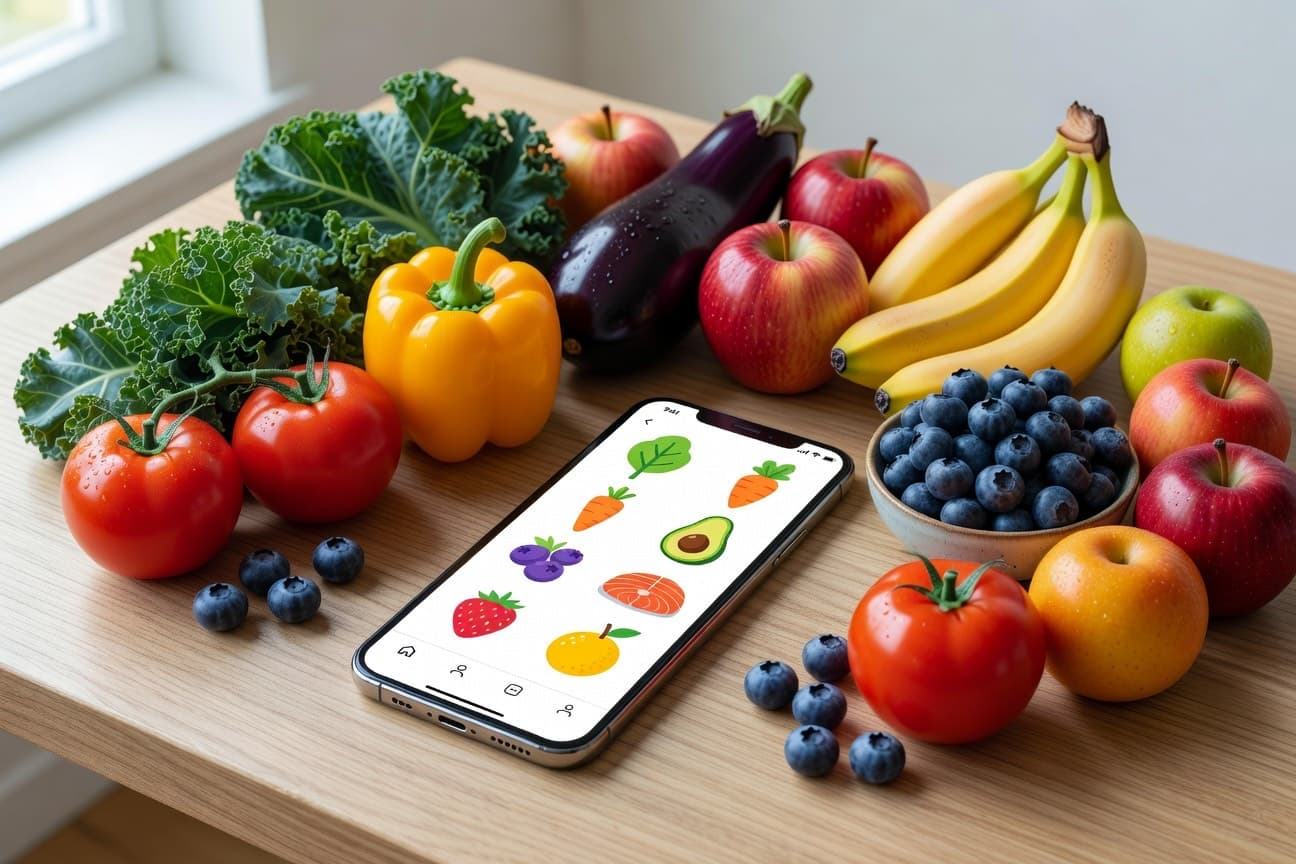
The term "AI nutrition" is everywhere in 2026. Dozens of apps promise personalized meal plans generated in seconds. Some are genuinely useful. Many are not. The distinction matters — especially if you are managing a real health condition.
What AI does well in nutrition
Pattern recognition at scale: AI can process a lot of individual data at once. Health conditions, medications, lab values, food preferences, budget, activity level — all of it. It generates meal plans that account for every variable simultaneously. A human dietitian doing this manually would spend 45–60 minutes per patient. AI does it in seconds. And it can update the plan dynamically as your situation changes.
Adherence support: AI-powered apps can detect when a user deviates from their plan, offer real-time alternatives, and adjust the rest of the week's meals to stay on track nutritionally. This kind of real-time feedback is clinically valuable. It cannot be scaled with human-only support.
Grocery integration: AI can turn a meal plan into a fully organized, priced grocery list and send it to a grocery store in one step. This removes the friction between planning and actually doing it — which has historically been one of the biggest barriers to sticking with a diet.
Knowledge synthesis: AI trained on peer-reviewed research and clinical guidelines (ACC, ADA, AHA, ESPEN) can generate recommendations that reflect the current state of nutritional science — and update as evidence evolves.
What AI cannot do
Replace clinical judgment: AI cannot examine you, interpret your labs in the full context of your history, or detect red flags that require physician attention. Any AI nutrition tool without physician oversight in its design layer is operating without a safety net.
Guarantee accuracy without human review: Language models can make things up (a process called hallucination). In nutrition, a hallucinated recommendation — especially for kidney disease, diabetes, or cardiovascular disease — can cause real harm. This is why physician-designed rules that constrain AI outputs are essential.
What separates good AI nutrition tools from bad ones
Physician or dietitian oversight in design: The best AI nutrition apps are built on clinical rulesets created by credentialed practitioners. Ask who built the ruleset and what evidence it is based on.
Hard stops for high-risk conditions: A responsible AI nutrition platform will not generate a plan for late-stage kidney disease, Type 1 Diabetes, cirrhosis, or pregnancy without direct physician supervision.
Real food, not supplements: AI nutrition tools that recommend proprietary shakes or supplements have a financial conflict of interest built into their advice. The evidence for real-food dietary patterns is far stronger than supplement protocols.
Transparency: Legitimate tools are clear about their evidence base, cite clinical guidelines, and include appropriate medical disclaimers. They do not make diagnostic claims or promise specific health outcomes.
How MyNutriCart uses AI
MyNutriCart uses a large language model to generate personalized weekly meal plans. But the AI operates within a Master Nutrition Ruleset developed by an ABFM-certified family physician. This ruleset is grounded in guidelines from the ACC, ADA, AHA, ESPEN, ASN, AND, and ASPEN. The AI does not set the rules. It applies them to your specific health profile.
Hard stops exist for conditions requiring direct physician supervision. The system does not recommend supplements, processed foods, or proprietary products. Every plan is built from whole foods, calibrated to your conditions and medications, and automatically translated into a priced grocery list.
This is what responsible AI nutrition looks like in 2026: not AI replacing clinical expertise, but AI making guideline-based nutrition accessible to everyone.