Food is the most powerful tool for managing Type 2 Diabetes. For the right patient, it is more powerful than most medications — and it has no side effects. But the generic advice — "eat less sugar," "watch your carbs" — leaves most patients standing in the grocery store with no idea what to actually put in their cart.
This is a practical, physician-built grocery list for Type 2 Diabetes management. It is grounded in the American Diabetes Association 2024 Standards of Care and current metabolic evidence.
Important note before you start: If you take insulin, a sulfonylurea (glipizide, glimepiride, or glyburide), or other glucose-lowering medication, talk to your physician before significantly changing your carbohydrate intake. Reducing carbs while on these medications can cause low blood sugar (hypoglycemia).
The Diabetes Grocery List
Proteins — Buy These Every Week
- Eggs: blood-sugar neutral. High in choline and fat-soluble vitamins. Versatile and affordable. 2–3 eggs per meal is appropriate for most patients. Most studies do not show increased cardiovascular risk at this intake in people with T2DM.
- Wild-caught salmon (fresh or frozen): omega-3 fatty acids improve insulin sensitivity and reduce cardiovascular risk — the leading cause of death in Type 2 Diabetes. Essential, not optional.
- Canned sardines or tuna (in water): shelf-stable, high-protein options that do not raise blood glucose. Convenient for any meal.
- Chicken breast or thighs: lean protein with minimal impact on blood sugar. Thighs are more flavorful and higher in zinc — a mineral important for insulin function.
- Ground turkey (93% lean): versatile, high-protein, and glycemically neutral (does not raise blood sugar).
- Greek yogurt (plain, full-fat): its high protein density reduces blood sugar spikes after meals. Probiotics are linked to modest improvements in insulin sensitivity. Full-fat is preferred over low-fat — lower sugar content in most products and more filling.
- Cottage cheese (full-fat): underrated — 25 grams of protein per cup, low glycemic index, and high in casein (a slow-digesting protein that helps stabilize overnight blood sugar levels).
Non-Starchy Vegetables — Buy in Bulk
These have minimal impact on blood glucose. They should fill half your plate at every meal. Buy the ones you will actually eat.
- Spinach, kale, arugula, Swiss chard: rich in magnesium — a mineral that is commonly deficient in T2DM and that impairs insulin receptor function when low. Also rich in folate, lutein, and anti-inflammatory plant compounds.
- Broccoli, cauliflower, Brussels sprouts: sulforaphane improves insulin sensitivity in clinical studies. High fiber reduces blood sugar spikes after meals.
- Bell peppers: highest vitamin C of any vegetable. Vitamin C deficiency impairs glucose transport into cells. Low-glycemic, high-flavor.
- Zucchini, cucumber, celery: essentially zero glycemic impact. Excellent for adding volume and fullness to meals.
- Asparagus: contains prebiotic fiber that feeds gut bacteria linked to improved insulin sensitivity. Low in calories and carbohydrates.
- Mushrooms: beta-glucans (a type of fiber) have been shown in several studies to reduce blood sugar spikes after meals. Also rich in B vitamins that support metabolic function.
- Tomatoes (fresh or canned): lycopene (the red pigment) reduces vascular inflammation. Moderate carbohydrate content, high fiber, low glycemic index.
- Onions and garlic: quercetin (in onions) and allicin (in garlic) both improve insulin sensitivity. Allicin may also modestly reduce fasting glucose.
Low-Glycemic Fruits
Choose these over high-sugar fruits. Eat with protein or fat to further blunt the glucose response.
- Berries (blueberries, strawberries, raspberries, blackberries): highest polyphenol density. Lowest glycemic index of any common fruit. Strong evidence for reducing post-meal insulin demand.
- Avocado: monounsaturated fats improve insulin sensitivity. Fiber content significantly reduces the glycemic response of any meal when eaten alongside carbohydrates.
- Citrus (whole orange, grapefruit): moderate glycemic impact. Far better than juice. Vitamin C and flavonoids (plant antioxidants) protect against diabetic microvascular damage.
- Cherries: low glycemic index. Anti-inflammatory. Melatonin content supports sleep quality — and poor sleep significantly worsens insulin resistance.
Avoid or Minimize: High-Sugar Fruits
Mangoes, grapes, bananas (especially ripe), watermelon, dried fruit, and all fruit juice raise blood glucose rapidly with little fiber to buffer the effect. They are not forbidden, but they are not the right choice for most meals.
Smart Carbohydrates — Low Glycemic, High Fiber
If you include carbohydrates, these are the evidence-supported choices:
- Lentils: glycemic index of 29 (very low). High in protein and resistant starch. Fermentable fiber reduces blood sugar by feeding beneficial gut bacteria.
- Black beans, chickpeas, kidney beans: similarly low glycemic. Protein + fiber combination significantly blunts blood sugar response.
- Steel-cut oats: beta-glucan fiber reduces post-meal glucose by slowing stomach emptying. Far superior to instant oats, which have a very different glycemic profile.
- Quinoa: complete protein. Lower glycemic index than most grains. Reduces post-meal insulin demand relative to white rice or white bread.
- Sweet potato (not white potato): significantly lower glycemic index than white potato. Rich in beta-carotene and potassium. Pair with protein and fat.
- Barley: the highest beta-glucan content of any grain. The most evidence for reducing A1c in T2DM among all grains in head-to-head trials.
Avoid: High-Glycemic Carbohydrates
White bread, white rice, white pasta, instant oatmeal, crackers, pretzels, breakfast cereals, and all sugar-sweetened foods spike blood glucose rapidly. These are the primary dietary contributors to A1c elevation in most patients.
Fats — Anti-Inflammatory, Insulin-Sensitizing
- Extra-virgin olive oil: your primary cooking fat. Oleic acid and polyphenols improve insulin sensitivity and reduce cardiovascular risk.
- Walnuts: ALA omega-3 fats. Clinical evidence for reducing fasting glucose and improving cholesterol profile in T2DM.
- Almonds: reduce post-meal glucose when eaten alongside a meal. Vitamin E protects against oxidative stress caused by chronic high blood sugar.
- Avocado oil: stable at high heat. Neutral flavor for cooking when olive oil is too strong.
Pantry Essentials for Diabetes
- Apple cider vinegar: 1–2 tablespoons before meals reduces post-meal glucose by 20–35% in several small randomized trials. The mechanism involves delayed stomach emptying. Use in salad dressings or diluted in water.
- Cinnamon: activates a pathway (PPAR-γ) that reduces insulin resistance. 1–2 grams per day is linked to modest A1c reduction in meta-analyses.
- Turmeric + black pepper: curcumin (the active compound in turmeric) reduces insulin resistance and inflammatory markers in T2DM patients in randomized trials. Black pepper increases curcumin absorption 20-fold.
- Canned tomatoes (no added salt): lycopene and potassium for cardiovascular protection.
- Low-sodium chicken or vegetable broth: a base for soups and sauces without glycemic impact.
What to Skip
- Sugar-sweetened beverages (including juice, sports drinks, and flavored coffee drinks): the single largest glycemic contributor in the American diet. Eliminate completely.
- White bread, bagels, rolls, and crackers: spike post-meal glucose within 30 minutes. Replace with legumes or simply eat without.
- Flavored yogurt: most contain 20–25 grams of added sugar per serving. Buy plain and add your own berries.
- "Diabetic" or "sugar-free" packaged foods: typically loaded with sugar alcohols that cause gastrointestinal distress and often still spike blood glucose. Not evidence-based as a category.
- Breakfast cereals (including "healthy" varieties): glycemic index typically 60–90. Even bran cereals cause significant blood sugar spikes in T2DM.
- Processed meats: linked to T2DM progression in large population studies. Limit strictly.
A Practical Week of Meals Built From This List
Breakfast: Scrambled eggs (2–3) with spinach and olive oil. Plain Greek yogurt with blueberries and walnuts.
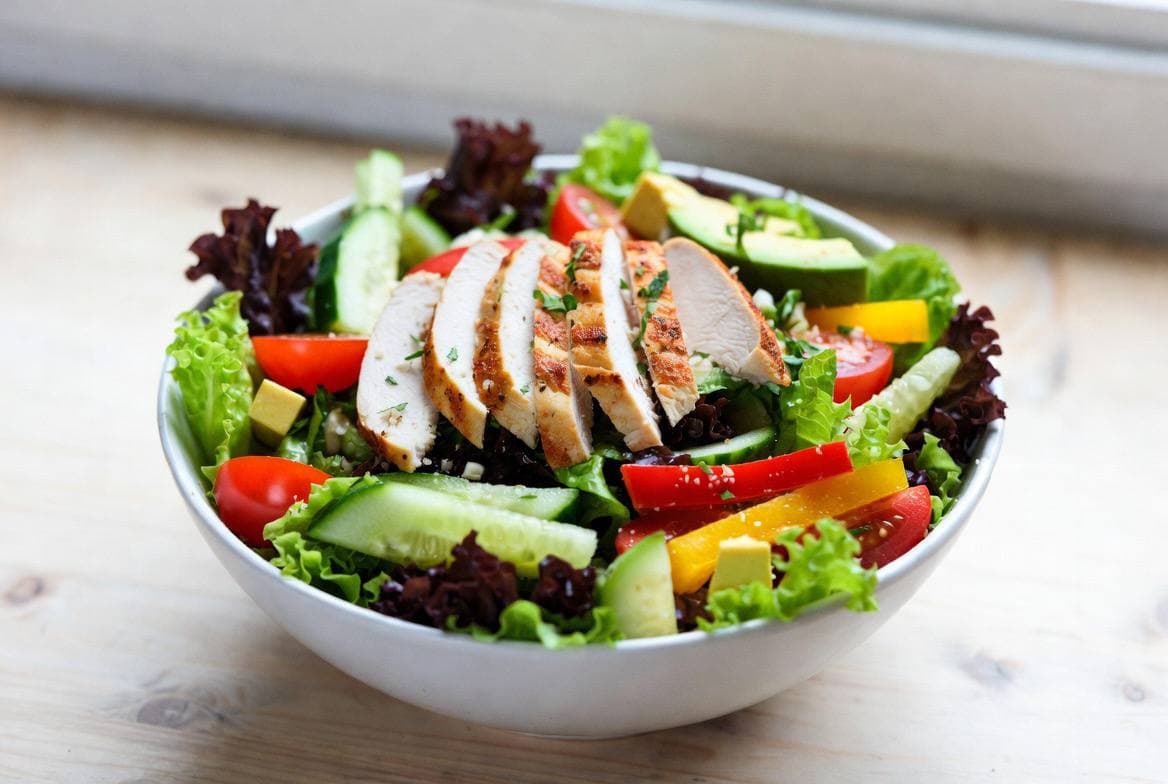
Lunch: Large salad — mixed greens, cucumber, bell pepper, cherry tomatoes, 4 oz grilled chicken, olive oil + apple cider vinegar dressing.
Dinner: Baked salmon with roasted broccoli and cauliflower. Small serving of lentils or black beans on the side.
Snacks: Almonds (1 oz). Celery with avocado. Cottage cheese with a few strawberries.
The bottom line: Controlling post-meal blood glucose is the primary dietary goal in Type 2 Diabetes. Every food choice either raises or lowers your blood sugar exposure hour by hour. Protein, non-starchy vegetables, healthy fats, and low-glycemic whole foods keep that exposure low. Ultra-processed foods, refined carbohydrates, and sugary drinks spike it.
MyNutriCart builds a personalized weekly meal plan for Type 2 Diabetes management — accounting for your medications, A1c, labs, food preferences, and grocery budget. Your shopping list comes out organized by store section, with pricing, ready to send to your store.
References: American Diabetes Association Standards of Care 2024; Ley SH et al., Lancet 2014 (T2DM dietary patterns); Ajala O et al., AJCN 2013 (low-carb diets T2DM); Johnston CS et al., Diabetes Care 2004 (vinegar and postprandial glucose).