Metabolic dysfunction-associated steatotic liver disease — or MASLD (previously called non-alcoholic fatty liver disease, NAFLD) — is the most common liver condition in the United States. It affects an estimated 80–100 million Americans. It is largely driven by excess calories, high refined carbohydrate intake, and excess belly fat. The good news: it is one of the most responsive conditions to dietary change in all of medicine.
What MASLD actually is
The liver stores excess energy as fat inside liver cells (hepatocytes). When fat makes up more than 5% of liver weight — without significant alcohol use — it is called steatotic liver disease (fatty liver). When combined with metabolic risk factors like insulin resistance, obesity, or Type 2 Diabetes, it becomes MASLD. A subset of patients progress to MASH (metabolic dysfunction-associated steatohepatitis, formerly called NASH) — which involves liver cell inflammation. MASH can lead to fibrosis (scarring), cirrhosis (severe scarring), and liver cancer. Early-stage MASLD is largely reversible through dietary change.
What the evidence supports
Weight loss is the most consistently effective treatment. A 2019 Cochrane review confirmed that losing 5–10% of body weight significantly reduces liver fat. Losing 10% or more can resolve MASH in up to 90% of cases and reverse fibrosis in 45%.
The Mediterranean dietary pattern consistently outperforms low-fat diets for MASLD. A 2019 systematic review in *Nutrients* found that following a Mediterranean diet reduced liver fat independently of weight loss — likely due to its high unsaturated fat and polyphenol (plant antioxidant) content.
Specific dietary targets
Fructose: Reduce dramatically. Fructose is processed mainly in the liver and directly drives fat production there. The main sources are added sugars in processed foods, sugar-sweetened beverages, and high-fructose corn syrup. Eliminating sugary drinks alone has measurable impact on liver fat within 8–10 weeks.
Refined carbohydrates: Replace with complex carbohydrates and fiber. High-glycemic eating patterns drive excess insulin, which activates a liver protein (SREBP-1c) that ramps up fat production.
Dietary fat quality: Saturated fat promotes liver fat accumulation. Omega-3 polyunsaturated fatty acids (EPA and DHA from fatty fish) reduce liver triglyceride levels. The WELCOME trial showed omega-3s reduced liver fat and improved liver enzyme levels (ALT).
Protein: Adequate protein preserves lean mass during weight loss and improves insulin sensitivity. Target 1.2–1.6 grams per kilogram of body weight from eggs, fish, and poultry.
Coffee: Consistently linked to lower risk of MASH progression. A 2017 meta-analysis found that drinking 2 or more cups per day was associated with 44% lower odds of liver fibrosis.
What to avoid
Ultra-processed foods: A 2024 *Hepatology* study of 3,224 patients found that each step up in ultra-processed food intake increased the odds of significant liver fat by 28%.
Alcohol: Even moderate drinking promotes liver fat and inflammation in established MASLD. Current liver disease guidelines recommend abstinence or near-abstinence.
Fructose from fruit juice (not whole fruit): Whole fruit is fine — its fiber slows fructose absorption. Juice concentrates fructose without the fiber buffer.
A practical plate for MASLD
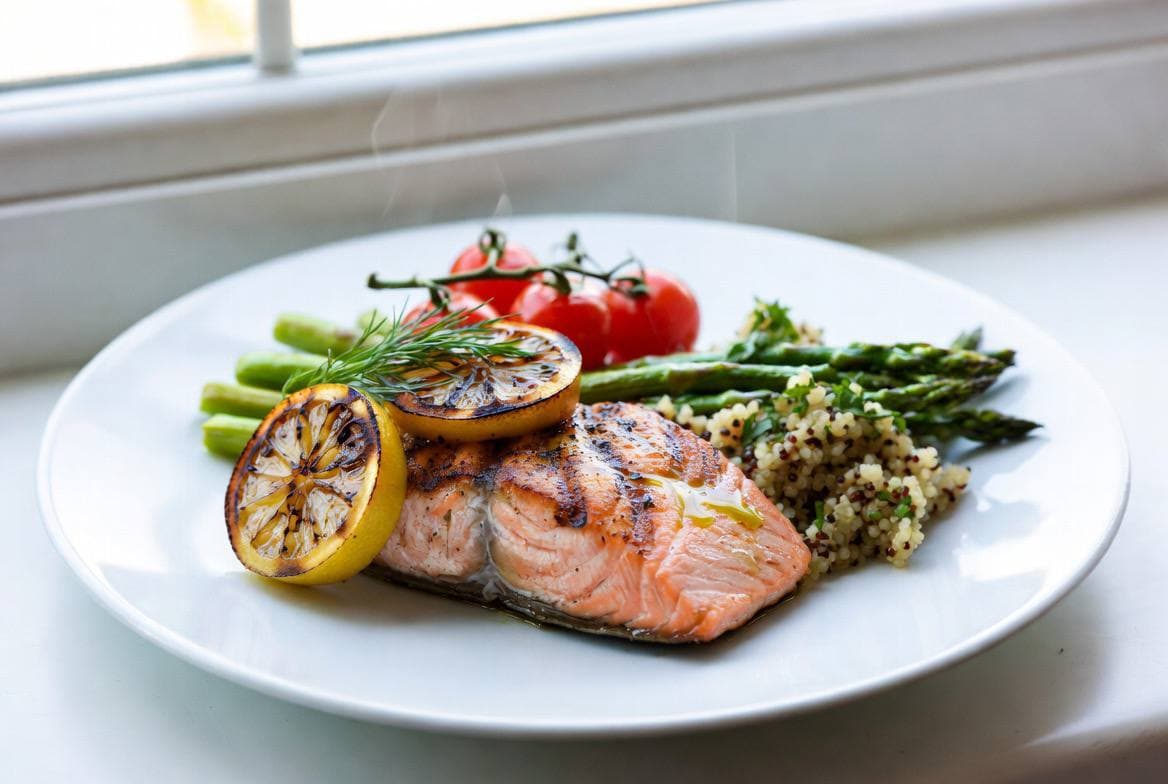
Half non-starchy vegetables (spinach, broccoli, kale, asparagus, zucchini). One quarter lean protein (salmon, eggs, chicken). One quarter fiber-rich complex carbohydrate (legumes, sweet potato, quinoa). Olive oil as your main cooking fat. Two to three servings of fatty fish per week. Zero sugary drinks.
Exercise
Exercise independently reduces liver fat through mechanisms including increased mitochondrial fat burning. The AASLD (American Association for the Study of Liver Diseases) recommends 150–300 minutes of moderate aerobic activity per week for MASLD. Resistance training also reduces liver fat, independent of weight change.
When to involve your physician
If you have elevated liver enzymes (ALT/AST), a known MASLD diagnosis, or risk factors for progression (Type 2 Diabetes, obesity, metabolic syndrome), discuss MASLD monitoring with your physician. FibroScan is the preferred non-invasive test for measuring liver scarring.
References: Younossi ZM et al., Hepatology 2023; Romero-Gómez M et al., Gut 2017 (Mediterranean diet); Stine JG et al., Hepatology 2023 (exercise); Zelber-Sagi S et al., Nutrients 2019.