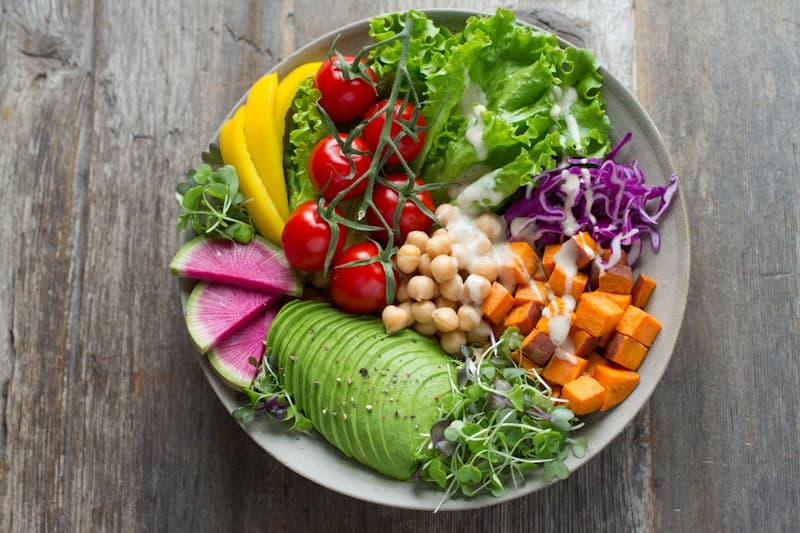
Chronic low-grade inflammation is the underlying cause of most chronic disease in the United States — heart disease, Type 2 Diabetes, metabolic syndrome, Alzheimer's, and several cancers. Diet is the most changeable driver of systemic inflammation. The grocery store is where that battle is won or lost.
This is not a list of superfoods. It is a practical, evidence-based shopping guide built around what the research consistently supports.
The Anti-Inflammatory Grocery List
Proteins
- Wild-caught salmon (fresh or frozen): the highest omega-3 content of any common grocery item. The specific omega-3s EPA and DHA directly block pro-inflammatory signaling in your body. Aim for 2–3 servings per week.
- Sardines (canned in olive oil or water): equal to salmon in omega-3 density and significantly cheaper. One of the most nutritionally efficient foods available.
- Mackerel (canned or fresh): same omega-3 profile; strong evidence for reducing CRP and IL-6 (key inflammation markers).
- Eggs (pasture-raised when available): rich in choline, lutein, and anti-inflammatory fat-soluble vitamins. The cholesterol concerns about eggs are not supported by current evidence.
- Chicken thighs (bone-in, skin-on): higher in zinc and iron than breast meat; supports immune function and reduces oxidative stress.
- Ground turkey (93% lean): versatile, affordable, and a high-protein base for dozens of meals.
Vegetables (buy these every week)
- Dark leafy greens (spinach, kale, arugula, Swiss chard): highest polyphenol (plant antioxidant) and folate density of any vegetable; reduce homocysteine — an independent cardiovascular risk factor.
- Broccoli and cruciferous vegetables (cauliflower, Brussels sprouts, bok choy): contain sulforaphane, a compound that activates your body's antioxidant pathways. One of the most studied anti-cancer and anti-inflammatory plant compounds.
- Bell peppers (all colors): highest vitamin C content of any common vegetable. Vitamin C reduces inflammatory activation in blood vessels.
- Tomatoes (fresh or canned): lycopene (the red pigment in tomatoes) is more available to your body after cooking. Canned tomatoes are nutritionally superior for this compound. Lycopene reduces LDL oxidation and vascular inflammation.
- Onions and garlic: quercetin (in onions) and allicin (in garlic) both show anti-inflammatory and heart-protective effects in clinical studies.
- Beets: contain betalains (natural pigments that reduce oxidative stress) and dietary nitrates that improve blood vessel function and blood pressure.
- Mushrooms: contain ergothioneine and beta-glucans that reduce systemic inflammation and support immune regulation.
Fruits
- Blueberries: highest polyphenol density of any common fruit. Anthocyanins (the blue-purple pigments) reduce CRP and improve blood vessel function. A 2019 *American Journal of Clinical Nutrition* randomized controlled trial showed 1 cup per day reduced cardiovascular disease risk markers by 15%.
- Tart cherries: one of the few foods with documented effects on sleep quality and post-exercise inflammation. Anthocyanins inhibit COX-1 and COX-2 — the same inflammatory enzymes targeted by ibuprofen, but without the stomach side effects.
- Pomegranate: contains punicalagins — among the most potent plant antioxidants studied. Reduces arterial plaque, CRP, and oxidized LDL.
- Avocado: monounsaturated fats reduce LDL and increase HDL. Oleocanthal (also found in olive oil) has ibuprofen-like anti-inflammatory properties.
Fats and Oils
- Extra-virgin olive oil: the most extensively studied anti-inflammatory cooking fat. Oleocanthal inhibits the same inflammatory enzymes as NSAIDs (anti-inflammatory drugs). Buy cold-pressed and use within 3 months of opening.
- Walnuts: highest plant-based ALA omega-3 content; reduce CRP and improve blood vessel function in randomized trials.
- Almonds: reduce LDL oxidation and inflammation after meals; high in vitamin E.
- Flaxseed (ground): contains ALA omega-3s plus lignans — plant compounds with anti-inflammatory and potentially anti-cancer properties. Grind fresh for best bioavailability (absorption).
Whole Grains and Legumes
- Lentils: high in fiber and protein, low-glycemic. Their fermentable fiber feeds gut bacteria that produce butyrate — a compound that reduces inflammation throughout your body.
- Black beans, kidney beans, chickpeas: same mechanism as lentils; also rich in polyphenols and resistant starch.
- Quinoa: a complete protein (contains all essential amino acids). Rich in quercetin and kaempferol — anti-inflammatory plant compounds.
- Oats (steel-cut or rolled): beta-glucan fiber reduces LDL cholesterol and CRP. One of the most well-studied foods for cardiovascular inflammation.
Herbs and Spices
- Turmeric: curcumin (the active compound) inhibits multiple inflammatory pathways. Absorption (bioavailability) is dramatically increased with black pepper. Use liberally in cooking.
- Ginger: 6-gingerol blocks the same inflammatory pathway as ibuprofen. Some joint pain studies show comparable effects.
- Cinnamon: reduces fasting blood glucose and post-meal insulin spikes through anti-inflammatory pathways.
- Fresh herbs (parsley, cilantro, basil, rosemary): high polyphenol density with essentially no calories.
Pantry Essentials
- Canned wild salmon and sardines: shelf-stable omega-3 source you can add to any meal.
- Canned tomatoes (no added salt): superior lycopene availability compared to raw tomatoes. Stock heavily.
- Apple cider vinegar: reduces blood sugar spikes after meals when taken beforehand. Modest evidence for also reducing fasting insulin levels.
- Green tea (loose or bagged): EGCG (epigallocatechin gallate — the main antioxidant in green tea) is one of the most studied anti-inflammatory compounds. Drinking 2–3 cups per day is linked to reduced CRP and lower cardiovascular mortality.
What to Leave on the Shelf
Ultra-processed foods: any product with a long list of unrecognizable ingredients, artificial additives, or added sugars high on the ingredient list. These are the primary dietary triggers of chronic vascular inflammation.
Sugar-sweetened beverages: the single most inflammatory dietary addition per calorie consumed. No amount is anti-inflammatory.
Refined carbohydrates (white bread, white rice, crackers, breakfast cereals): they spike blood sugar after meals, which directly damages blood vessel walls and triggers markers of vascular inflammation within hours.
Processed meats (deli meat, hot dogs, sausage): sodium nitrite and advanced glycation end products (AGEs — harmful compounds formed during meat processing) promote inflammatory pathways. They are linked to colorectal cancer and cardiovascular risk in large population studies.
Margarine and partially hydrogenated oils: trans fat content — even in small amounts — dramatically worsens cholesterol ratios and blood vessel inflammation. Many products have been reformulated, but always check the label.
Putting It Together
The most evidence-based approach: build every meal around a protein source (fatty fish at least 3 times per week). Fill half the plate with non-starchy vegetables — especially dark leafy greens and cruciferous vegetables. Use olive oil as your cooking fat. Eat a handful of walnuts or almonds daily. Berries 3–4 times per week. Minimize anything that comes in a package.
MyNutriCart builds this framework into every meal plan automatically — adjusted for your specific health conditions, medications, and grocery budget. Your weekly grocery list comes out organized by store section with regional pricing, ready to send to your store in one tap.
References: Ridker PM, NEJM 2017 (inflammation and cardiovascular disease); Curtis PJ et al., AJCN 2019 (blueberries RCT); Estruch R et al., NEJM 2013 (PREDIMED); Srour B et al., BMJ 2019 (ultra-processed foods).